Champagne, Sugar and Sweat: Why Invisible Stains Turn Brown
The spill dried clear, the dress went back in the closet, and three weeks later there's a tan patch that wasn't there before.
October 17, 2026 · 4 min read
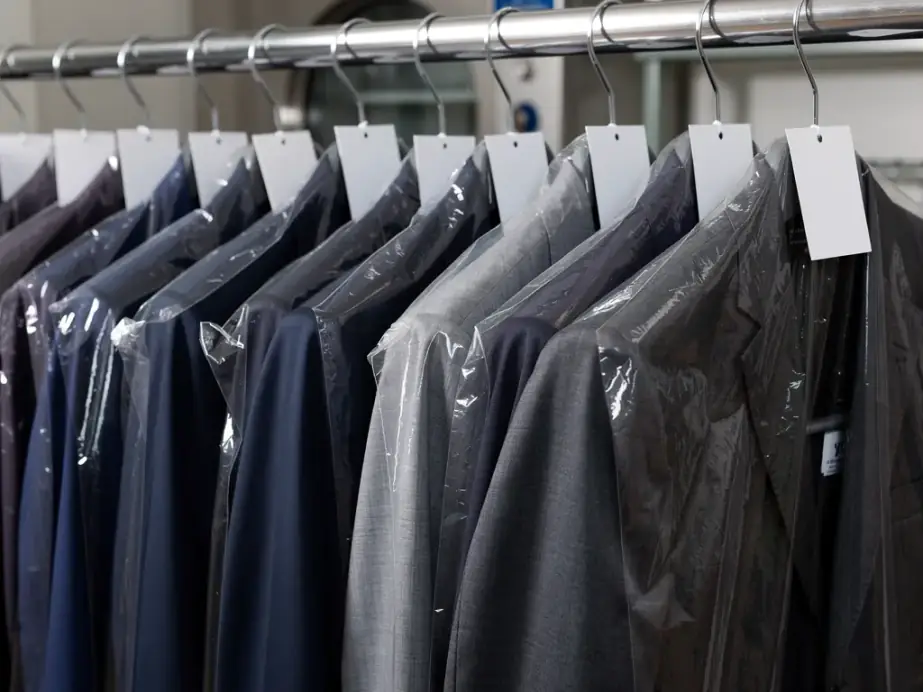
You had a lovely evening. A glass of champagne tipped near the skirt, a bit of frosting brushed against a sleeve, a warm room, a long night of dancing. You blotted the spot, it dried, and by morning there was nothing to see. So the dress went back on its hanger and life carried on. Three weeks later there's a pale tan patch on the skirt right where the spill landed, and now it looks stubborn.
That patch isn't new damage. It was there the whole time, hiding. Here's what is going on, and why the best day to bring a garment to a dry cleaner is the day after the party, not the end of the season.
Invisible stains are the ones that fool people
Clear liquids like champagne, white wine, clear sodas, and fruit juice look harmless once they dry. But they aren't just water. Champagne carries sugar, and so do cake, cocktails, juice, and sweetened coffee. The water evaporates and the sugar stays behind in the weave as a thin, nearly invisible film. You can't see it, and you often can't feel it, but it's sitting in the fibers waiting.
How sugar turns brown
Sugar left in fabric reacts slowly with oxygen in the air, a process cleaners call oxidation. Heat speeds it up dramatically, and that is what turns a clear spill into a tan mark, then a brown one. Think about sugar in a hot pan, only much slower. A warm room, a closet against a sunny wall, a hot car trunk, and above all an iron or a dryer will bake the sugar into the fibers. Once it has caramelized, it is a different and tougher kind of stain, and it takes far more work to lift. Sometimes it never lifts all the way.
Florida makes this worse. Warm, sticky air, plus garments that sit in hot cars or un-air-conditioned storage between events, give a sugar film all the help it needs.
Sweat and body oils do the same thing, more slowly
Perspiration contains salts, proteins, and a little oil. On silk, which is itself a protein fiber, that residue clings to the fabric. Underarms, collars, and the inside of a gown's bodice are where it collects. The discoloration shows up later as a yellowing that people often blame on age or on the fabric itself. Mostly it's a leftover from wearing. Antiperspirant can make it worse, because the aluminum compounds in many formulas react with sweat and leave a stiff yellow mark of their own.
Why silk and gowns are especially vulnerable
Silk doesn't forgive aggressive treatment. Water alone can leave a ring on some silks. Many gowns also carry beading, sequins, interlinings, and linings that each react differently, and some evening fabrics use dyes that bleed when wet. That's why home remedies backfire on these garments. Rubbing with a damp cloth pushes sugar deeper and roughens the weave. Club soda, baking soda, dish soap, and hairspray each cause their own problems, from water rings to lost color. The kindest thing you can do at home is very little.
What to do right after a spill
- Blot, don't rub. Press a clean white cloth or napkin onto the spot and lift it away.
- Skip water, club soda, salt, and stain sticks. They often leave a ring or set the stain.
- Keep it away from heat. No hair dryer, no iron, and no afternoon in a parked car.
- Remember what spilled and roughly where, even if it seems like nothing. A sip of champagne counts.
- Mark the area from the inside with a loose basting thread or a safety pin, never a pen.
- Hang the garment in a cool, air-conditioned room and bring it in as soon as you can.
What to tell your cleaner
The most useful thing you can give any cleaner is information. Say what the drink or food was, how long ago it happened, and what you've already tried. At Spartan Dry Cleaners every item is individually inspected and spot-treated before cleaning, and the more the counter knows, the better the treatment. Wedding gowns and couture pieces get extra attention, including stain treatment for sugar, protein, and champagne, and inspection under specialized lighting that picks up marks you'd never spot in a hallway mirror.
Don't wait for the season to end
People often hold a dress back until they've decided whether they'll wear it again. It's understandable, and it's the costly choice. A garment cleaned within days of an event almost always comes out better than one cleaned after months of slow browning. For most dry cleaning, Spartan can have your clothes back in as little as 24 hours, so there's rarely a good reason to put it off.
If a mark still shows after cleaning, the shop's promise applies: if you're not 100 percent satisfied, bring the garment back and they'll re-clean it for free. That promise works best when you've told them everything you know about what happened to the garment.
If a silk dress, a blouse, or a gown has a mystery spot or a recent spill, call Spartan Dry Cleaners at (561) 588-8645 or book a free pickup, and tell them the story of the stain. It really does help.
Spartan Dry Cleaners, (561) 588-8645
Call (561) 588-8645More articles
How to Store a Wedding Gown in South Florida Humidity
A cleaned gown is only half protected, because the other half is where the box lives for decades.
Caring for Down Comforters and Fine Linen in a Humid Climate
Natural fills and fine fibers hold moisture, which makes South Florida bedding a matter of drying thoroughly, not just cleaning often.